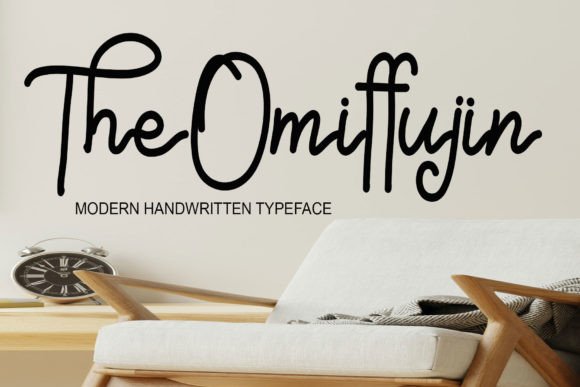
The Omiffujin: A Handwritten Font That Elevates Small Business Branding
As a small business owner, I’m always on the lookout for design tools that help my brand stand out without overwhelming my budget. That’s why I was excited to discover The Omiffujin—a playful, handwritten font that brings personality and professionalism to everything from product labels to social media posts. It’s not just another pretty typeface; it’s a practical tool that helps small brands like mine feel more consistent, recognizable, and trustworthy.
What Makes The Omiffujin Unique?
The Omiffujin is a script font with a hand-drawn charm that feels personal and approachable. Unlike overly formal or generic fonts, this one has a whimsical yet polished style that works especially well for brands in creative, lifestyle, or customer-facing industries. It’s ideal for businesses that want to project warmth and authenticity while still looking put together.
Whether you’re designing packaging for handmade candles, creating a logo for your boutique, or crafting a menu for your café, The Omiffujin adds a human touch that connects with customers on an emotional level. It’s part of the Script Amp category, which means it’s designed to stand out when used for headlines, logos, or short bursts of text where personality matters most.
How The Omiffujin Boosts Brand Consistency
One of the biggest challenges for small businesses is maintaining visual consistency across different platforms and materials. The Omiffujin helps solve that by serving as a signature design element that can be reused across your branding. When customers see the same font used on your Instagram stories, product packaging, and thank-you notes, it reinforces brand recognition.
For example, I used The Omiffujin in my logo and on my product tags, and I immediately noticed how it tied everything together—from my Shopify store to my in-person pop-up displays. It’s subtle, but consistency like that makes your brand feel more professional and intentional.
Real-World Uses for The Omiffujin
Here are some of the ways I’ve found The Omiffujin to be especially effective in real business settings:
- Product labels: Perfect for small-batch beauty products or handmade soap packaging.
- Business cards: Adds a personal touch that makes your brand more memorable.
- Social media graphics: Works great in Instagram highlights, Pinterest pins, and Facebook banners.
- Website headers: Use it as a display font to introduce your brand voice on landing pages.
- Packaging design: Ideal for stickers, thank-you cards, and custom tape seals.
- Menu design: Great for café menus or seasonal drink boards.
It’s especially effective for small businesses that want to feel boutique-like without investing in custom design work. With a font like The Omiffujin, even simple designs can look premium and intentional.
When to Use The Omiffujin in Your Branding
While The Omiffujin is expressive and eye-catching, it’s best used as a headline, logo, or accent font rather than for long blocks of text. Its decorative nature makes it perfect for short phrases, titles, and calls to action.
For example, I use it in my logo and for social media headlines, but pair it with a clean sans serif font for body text. This creates a balanced visual hierarchy that’s both engaging and easy to read. If you’re new to font pairing, try combining The Omiffujin with a modern sans serif like Montserrat or a classic serif like Playfair Display.
Readability Matters—Even in Creative Fonts
One thing I always test before committing to a font is how well it reads across different formats. The Omiffujin holds up well in print and digital formats, as long as it’s used at an appropriate size. I’ve used it on product labels, and even at small sizes, it’s still legible when printed clearly.
On mobile screens, I recommend using it in larger headers or banners rather than in captions or subheadings. And for social media thumbnails, it makes a strong visual impact—helping your posts stand out in crowded feeds.
Test Before You Commit
Before applying The Omiffujin across your brand, I suggest testing it in a few different contexts. Try it in a mock-up of your packaging design, run a sample print of your business card, or create a few social media templates. This helps you see how it looks in real-world applications and ensures it aligns with your brand voice.
Also, make sure you’re using the correct file format and that the font renders well across design tools like Canva, Photoshop, or Illustrator. Most font marketplaces offer a preview or sample download, which is a great way to test before purchasing.
Font Licensing: A Practical Consideration
Before using The Omiffujin on products, packaging, or client-facing templates, it’s important to check the font’s licensing terms. Most premium fonts come with a commercial license, but some restrict use in merchandise or digital downloads.
I always double-check the license to ensure I’m allowed to use the font in the way I need to. If you’re unsure, reach out to the font creator or marketplace for clarification. This small step can prevent legal issues down the road.
Final Thoughts
The Omiffujin isn’t just a font—it’s a design asset that helps small businesses build a stronger, more memorable brand identity. Whether you’re launching a new product line, redesigning your logo, or creating social media content, this handwritten font adds a touch of charm that sets your brand apart.
If you’re looking for a script font that’s both expressive and practical, give The Omiffujin a try. It might just become your go-to typeface for everything from packaging to web design.