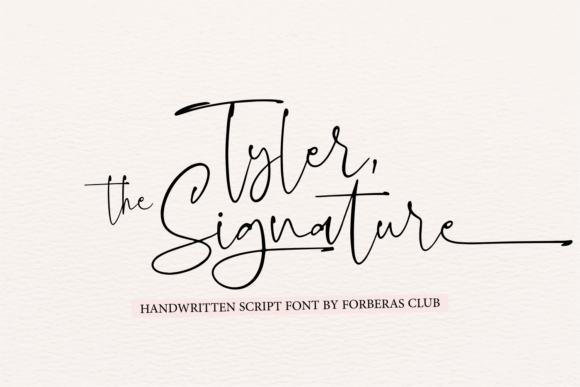
Tyler the Signature: A Handwritten Font for Elegant Web Design
Tyler the Signature is more than a script font—it's a carefully crafted typeface that brings a personal, handwritten touch to digital design. As a web designer, I look for fonts that balance personality with performance, and Tyler delivers both. Its flowing, cursive strokes feel intentional yet organic, making it ideal for digital spaces where warmth and professionalism intersect. Whether you're designing a landing page, portfolio site, or brand-focused web experience, Tyler the Signature adds a layer of sophistication without sacrificing readability.
Understanding Tyler the Signature’s Visual Style
This font falls under the Script Amp category, blending the elegance of calligraphy with the clarity needed for modern web layouts. Each character flows smoothly into the next, mimicking natural handwriting while maintaining consistent spacing. The result is a font that feels both timeless and contemporary—perfect for designers who want to inject authenticity into their digital typography. Unlike rigid, machine-made fonts, Tyler the Signature carries a human touch that helps brands connect emotionally with their audience.
Where to Use Tyler the Signature in Web Design
Tyler the Signature shines in areas where visual impact matters most. It works exceptionally well in hero headers, logo text, and short brand statements. Because of its decorative nature, it's best reserved for display use rather than long-form body copy. For example, using it in a portfolio website’s headline or a boutique store’s banner creates a memorable first impression. It also performs well in social media graphics, course landing pages, and digital brand kits where a clean, elegant tone is desired.
Improving Readability and Visual Hierarchy
Despite its flowing script, Tyler the Signature maintains strong legibility at larger sizes. When used in headers or call-to-action buttons, it guides the user’s eye naturally through the page. Pairing it with a clean sans serif font like Helvetica or Open Sans for body text ensures a clear visual hierarchy. This contrast helps users scan content efficiently while reinforcing brand identity. On mobile screens, it's important to maintain adequate spacing and avoid overly small font sizes to preserve readability.
Brand Tone and User Engagement
Fonts play a crucial role in shaping brand perception. Tyler the Signature conveys elegance, creativity, and approachability—qualities that resonate with lifestyle brands, creative professionals, and service-based businesses. When users land on a page featuring this font, they instantly sense a curated, intentional design. That subtle emotional connection can influence trust and engagement, especially on coaching websites, product launch pages, or online stores selling artisanal goods.
Responsive Design and Color Considerations
Tyler the Signature adapts well to responsive layouts when paired with thoughtful CSS styling. On smaller screens, using it for short phrases or logo text ensures it remains legible without overwhelming the layout. When placing it over images or dark backgrounds, consider adding a light overlay or text shadow to maintain contrast. For light backgrounds, a subtle stroke or drop shadow can enhance definition without compromising the font’s delicate aesthetic.
Font Pairing Strategies
One of the best ways to use Tyler the Signature is in combination with a simpler, more neutral typeface. For example, pairing it with a sans serif font like Montserrat or Lato creates a balanced contrast between decorative and functional typography. In editorial-style websites or blog headers, combining it with a serif font like Merriweather can add depth and sophistication. These pairings help maintain visual rhythm while reinforcing brand tone across different content sections.
Technical Features and Webfont Availability
Before implementing Tyler the Signature in a live project, it's important to review its technical specs. Most modern script fonts come with multiple weights, alternate characters, and multilingual support. Check if the font includes web-optimized formats like WOFF or WOFF2 for seamless integration into CSS. If you're using it for logo design or packaging design, make sure it supports vector export and high-resolution rendering.
Commercial Licensing and Usage Rights
As with any premium font, licensing is a key consideration. Tyler the Signature should be properly licensed for web use, especially when embedding it in client websites, online stores, or downloadable brand kits. Some fonts require separate licenses for desktop and web use, so always review the terms before deployment. Proper licensing ensures legal compliance and protects your brand’s digital assets in the long run.
Final Thoughts on Tyler the Signature
In the world of digital design, typography is more than decoration—it’s a strategic tool for communication. Tyler the Signature offers a rare blend of style and usability, making it a go-to choice for web designers who want to elevate their projects without compromising clarity. Whether you're crafting a landing page, an online store, or a personal brand kit, this script font brings a refined, human touch that resonates across devices and platforms.